
Food Choices for Men's Fitness Goals
Discover comprehensive guides on nutritional strategies tailored for male athletes and fitness enthusiasts. Learn how different food categories support muscle building, endurance, recovery, and overall performance.
The information on this site is for educational purposes only and does not constitute medical advice. Always consult a qualified healthcare professional before making health decisions.
Filter by Category
Lean Beef and Red Meat
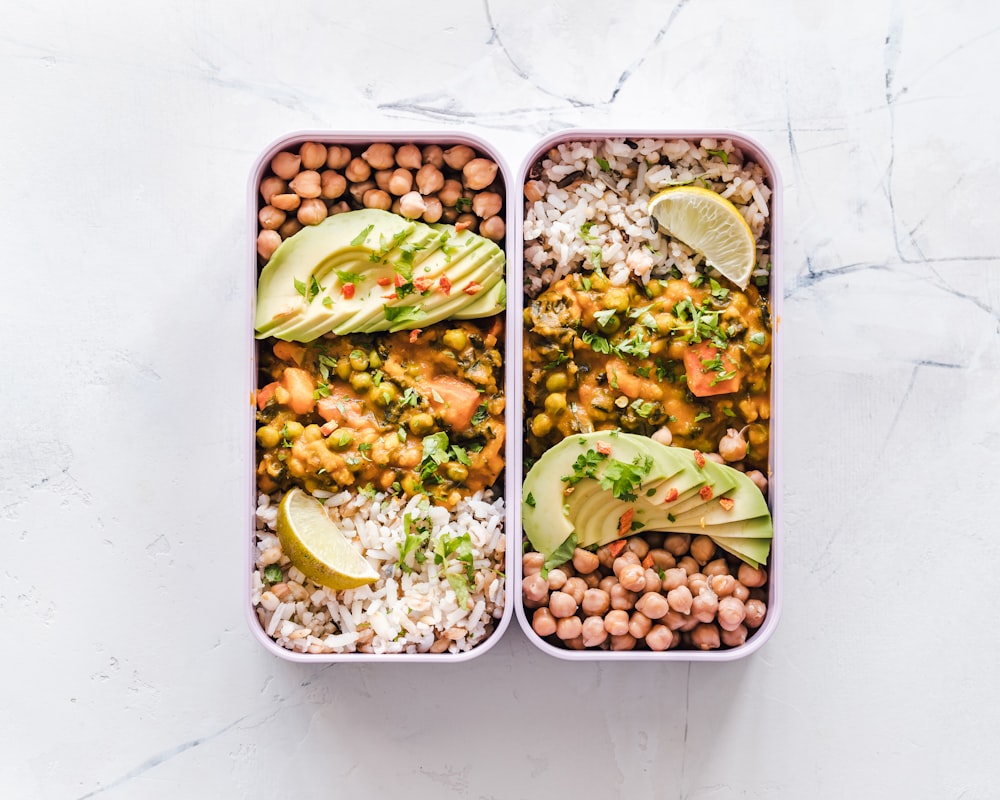
Explore how high-quality beef delivers essential amino acids, creatine, and iron crucial for muscle development and athletic performance. Learn optimal portions and preparation methods for maximum nutritional benefit.

Chicken and Poultry
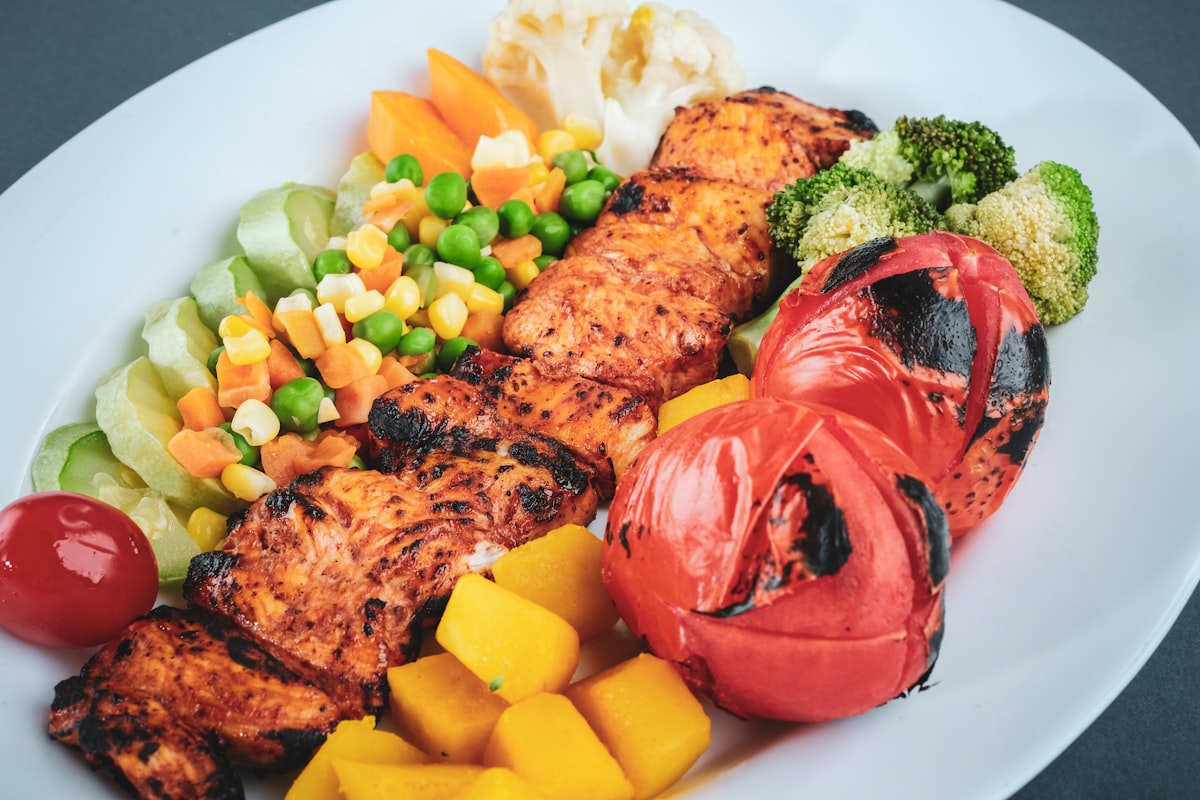
Discover why chicken breast is a staple for fitness enthusiasts. Understand its lean protein composition, versatility in meal planning, and how to incorporate different poultry options for sustained muscle growth and recovery.

Fish and Seafood
Learn about omega-3 fatty acids in salmon, tuna, and other fish species. Understand how marine protein supports joint health, inflammation management, and cardiovascular fitness alongside muscle development.
Complex Carbohydrates and Grains
Explore brown rice, oats, and quinoa as fuel sources for intense workouts. Understand glycemic index, timing of carbohydrate intake, and how whole grains support sustained energy and muscle glycogen replenishment.
Fresh Fruits and Natural Sugars
Discover how bananas, berries, and oranges provide quick carbohydrates and micronutrients. Learn about pre-workout and post-workout fruit timing, and understand antioxidants' role in recovery and training adaptation.

Healthy Fats and Oils
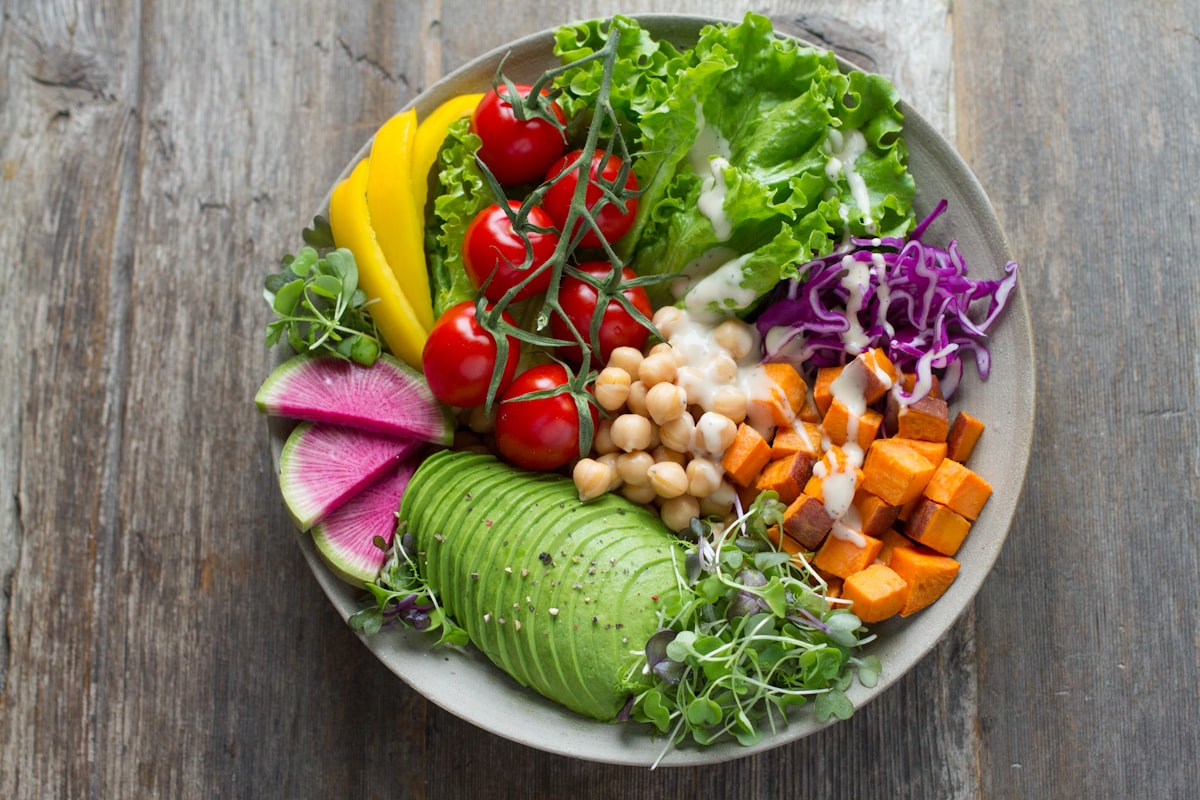
Understand the importance of monounsaturated and polyunsaturated fats from olive oil, avocados, and nuts. Learn how dietary fats support hormone production, nutrient absorption, and sustained energy levels for endurance training.
Eggs and Dairy Products
Explore eggs as a complete protein source with all essential amino acids. Learn about Greek yogurt, cottage cheese, and milk as recovery tools providing both protein and carbohydrates for muscle repair and adaptation.
Protein Powders and Supplements
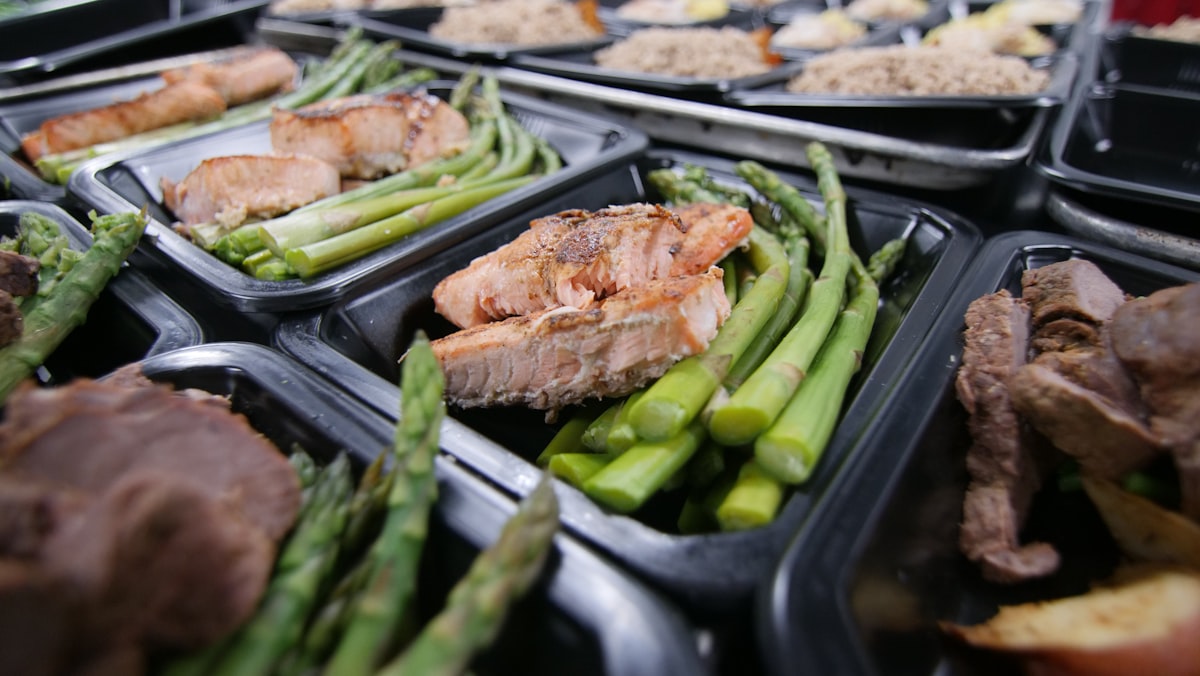
Understand whey, casein, and plant-based protein powders as convenient protein additions. Learn about creatine, BCAAs, and other supplements that support training intensity, muscle development, and recovery optimization.
Hydration and Recovery Drinks
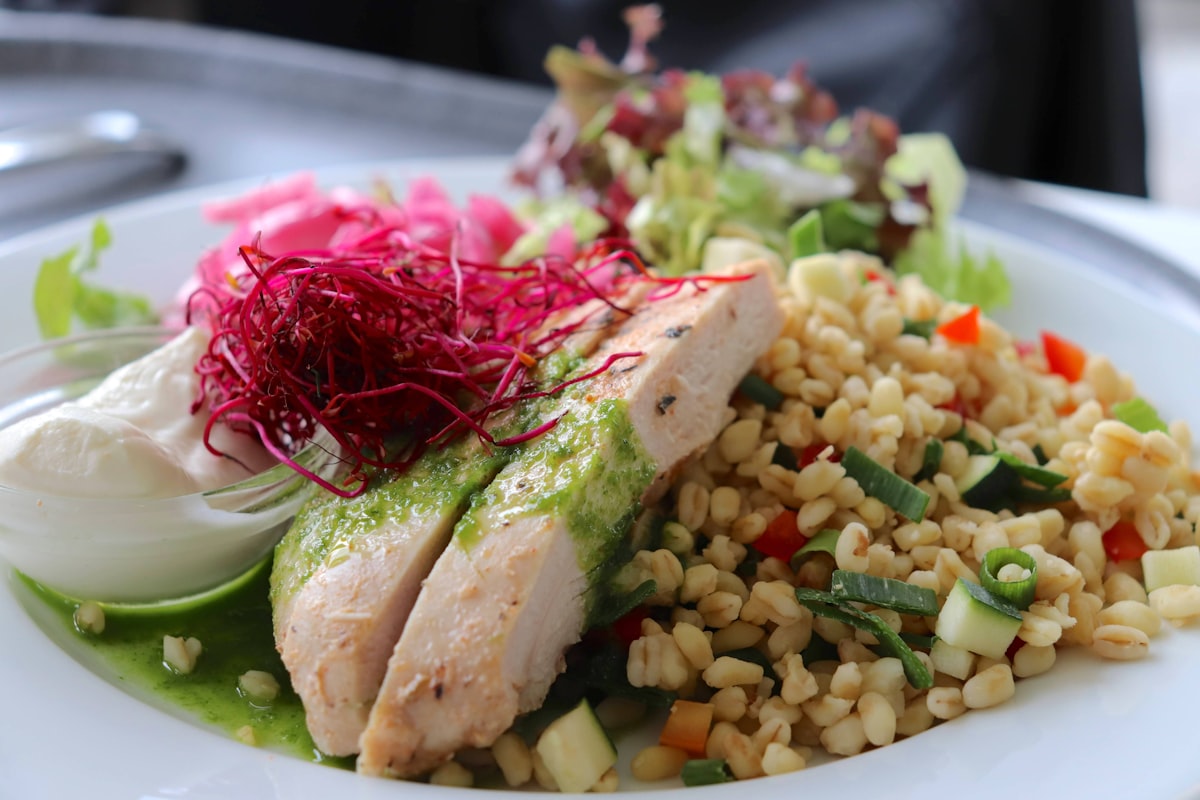
Discover electrolyte balance, water intake strategies, and recovery beverage composition. Learn how proper hydration supports performance during workouts and accelerates muscle recovery and adaptation processes.
Featured Articles
Complete Guide to Protein Timing
Learn the science behind pre-workout and post-workout protein consumption, optimal daily intake ranges, and how timing maximizes muscle protein synthesis for consistent gains.
Discover article →Micronutrients for Athletic Performance
Understand vitamins, minerals, and antioxidants critical for energy production, muscle contraction, and recovery. Learn food sources for iron, zinc, magnesium, and B vitamins that support intense training.
Discover article →Building Sustainable Eating Habits
Explore practical strategies for consistent nutrition without restrictive dieting. Learn meal planning, portion control, and how to balance performance nutrition with lifestyle flexibility for long-term success.
Discover article →Frequently Asked Questions
Most research suggests consuming 1.6 to 2.2 grams of protein per kilogram of body weight daily for optimal muscle development when combined with resistance training. For a 180-pound man, this translates to approximately 130-165 grams daily. Distribute protein intake across 4-5 meals for better muscle protein synthesis and steady amino acid availability. Individual needs may vary based on training intensity, age, and recovery capacity.
Consume 1-4 grams of carbohydrates per kilogram of body weight 1-4 hours before training for sustained energy. Post-workout, consume 1-2 grams per kilogram of body weight within 30-60 minutes to replenish muscle glycogen and support recovery. During extended sessions over 90 minutes, intake 30-60 grams of carbs hourly. Timing flexibility allows adjustment based on meal size and individual digestion patterns. Simple fruits work well for quick pre-workout fuel, while complex carbs provide longer-lasting energy for training sessions.
Whole food sources like chicken, beef, eggs, and dairy can meet all protein requirements without supplements. Protein powders offer convenience for busy athletes and help achieve daily targets when whole foods are insufficient. They're not necessary for success but serve as practical supplementation. Choose powder types based on preferences: whey for fast absorption post-workout, casein for sustained release, or plant-based for dietary restrictions. Prioritize consistent whole food intake first, using powder as a supplement rather than replacement.
Proper hydration maintains blood volume, supports nutrient transport to muscles, and enables efficient waste removal during training. Even 2% dehydration can impair strength and endurance performance. Aim for pale yellow urine color as a hydration indicator. Drink 400-800 milliliters of water 2-3 hours before exercise, 200-300 milliliters 20 minutes prior, and 150-250 milliliters every 15-20 minutes during activity. Post-workout, consume 150% of body weight lost as sweat over 4-6 hours, including electrolytes for better retention and absorption.
Omega-3 rich foods like fatty fish (salmon, mackerel, sardines) contain EPA and DHA that reduce joint inflammation. Colorful vegetables such as leafy greens, berries, and cruciferous vegetables provide antioxidants protecting cartilage. Collagen-rich bone broth, gelatin, and foods with vitamin C (citrus, kiwi) support connective tissue integrity. Ginger and turmeric offer anti-inflammatory compounds. Include adequate protein for cartilage maintenance and repair. Gelatin and collagen peptides specifically target joint support, though whole food sources remain primary recommendations for comprehensive nutritional support.
What Fitness Athletes Are Reading
NUTRITION STRATEGY
FeaturedOptimal Meal Timing Strategy for Training Cycles
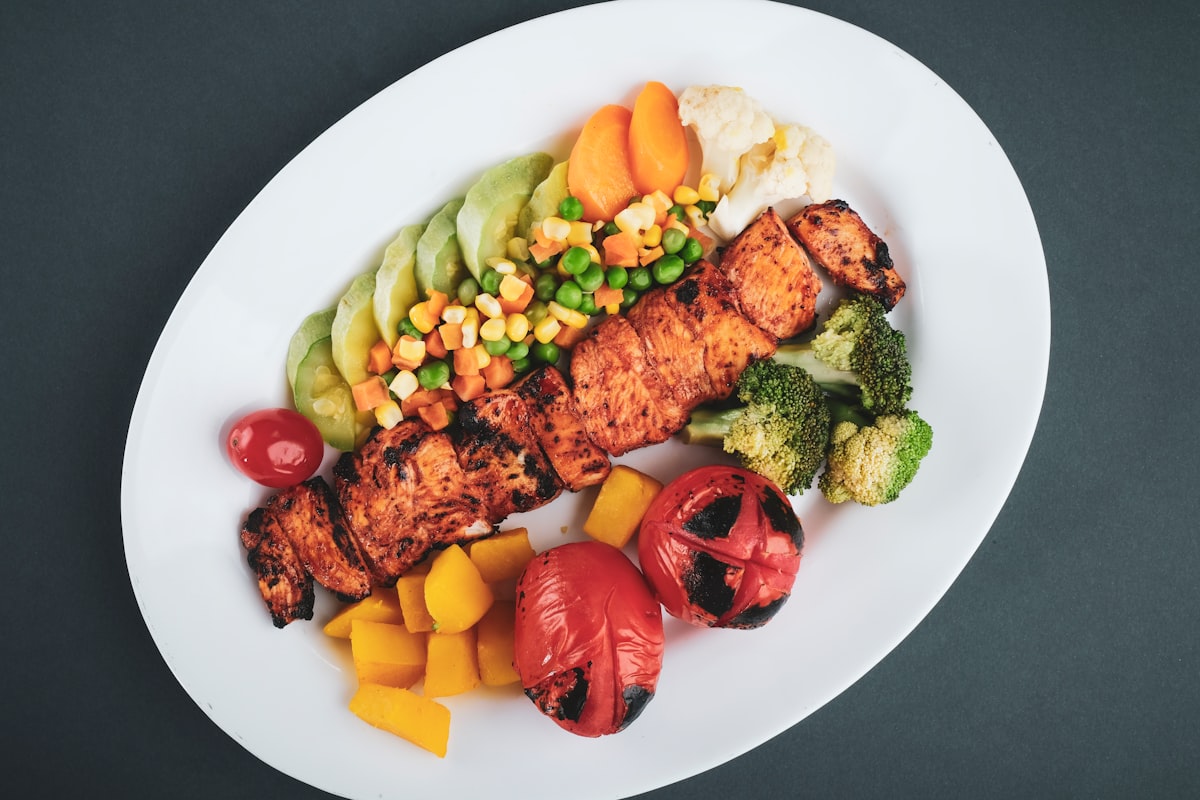
Understanding nutrient timing across different training phases maximizes adaptation and recovery efficiency.
Read more →
WELLNESS
PopularBuilding Nutrient-Dense Meal Plans
Learn how to maximize micronutrient intake while meeting macro targets for sustained performance and recovery.
Read more →
RECOVERY
Recovery Nutrition: Beyond Post-Workout Shakes
Explore comprehensive recovery strategies including sleep support, inflammation management, and adaptation acceleration.
Read more →Stay Updated with Fitmanmealsuccession
Subscribe to our editorial newsletter and receive curated articles about men's fitness nutrition, training strategies, and wellness insights delivered to your inbox.
We share valuable content about nutrition, training, and wellness. No spam, just curated insights.
Educational Resources
Nutrition Guides
Comprehensive guides on macronutrients, meal timing, and dietary strategies tailored to your fitness goals.
Learn MoreVideo Tutorials
Step-by-step video content covering meal prep techniques, cooking methods, and portion control strategies.
Watch NowCalorie Calculator
Personalized tools to calculate your daily caloric needs, macros, and create custom meal plans.
CalculateReady to Transform Your Nutrition?
Join thousands of satisfied customers who've achieved their fitness goals with Fitmanmealsuccession. Start your journey today and experience the difference quality nutrition makes.
Frequently Asked Questions
How do I customize my meal plans?
Our intuitive platform allows you to input dietary preferences, allergies, fitness goals, and taste preferences. Our AI algorithm then generates personalized meal plans specifically designed for your needs.
What if I have dietary restrictions?
We support all major dietary approaches including keto, paleo, vegan, vegetarian, gluten-free, and more. Simply select your dietary preference, and we'll exclude non-compliant recipes automatically.
Can I integrate with fitness apps?
Yes! Fitmanmealsuccession integrates seamlessly with popular fitness tracking apps like MyFitnessPal, Apple Health, and Strava to sync your calorie goals and activity data.
How often are meal plans updated?
Plans are updated weekly with fresh recipes and variations. You can also manually refresh your plan anytime to get new meal suggestions while maintaining your nutritional targets.
Is there a free trial available?
Absolutely! We offer a 14-day free trial with full access to all features. No credit card required. Experience the full power of Fitmanmealsuccession before committing.
What's your customer support like?
Our dedicated support team is available 24/7 via email, live chat, and phone. We're committed to resolving any issues within 24 hours to ensure your success.
Fitmanmealsuccession
Transform your nutrition and achieve your fitness goals with our AI-powered meal planning platform.